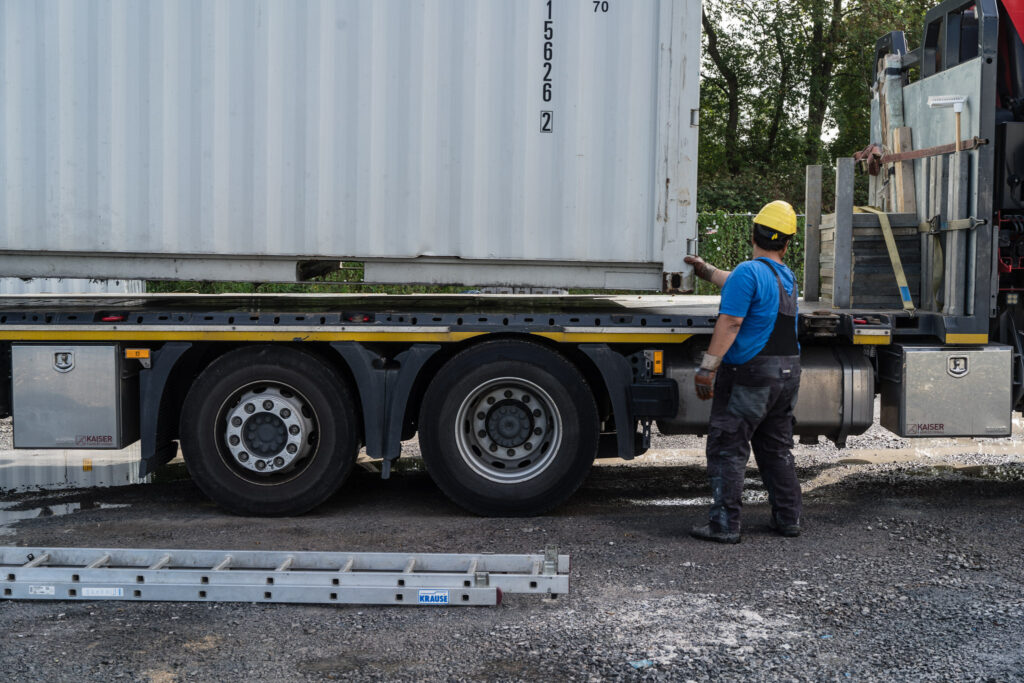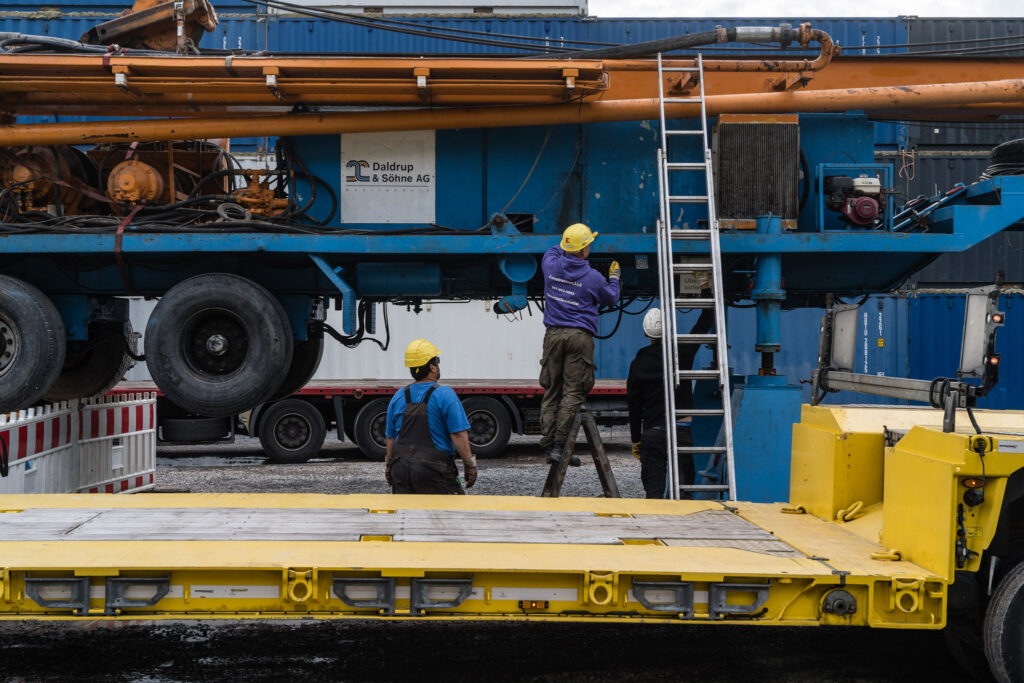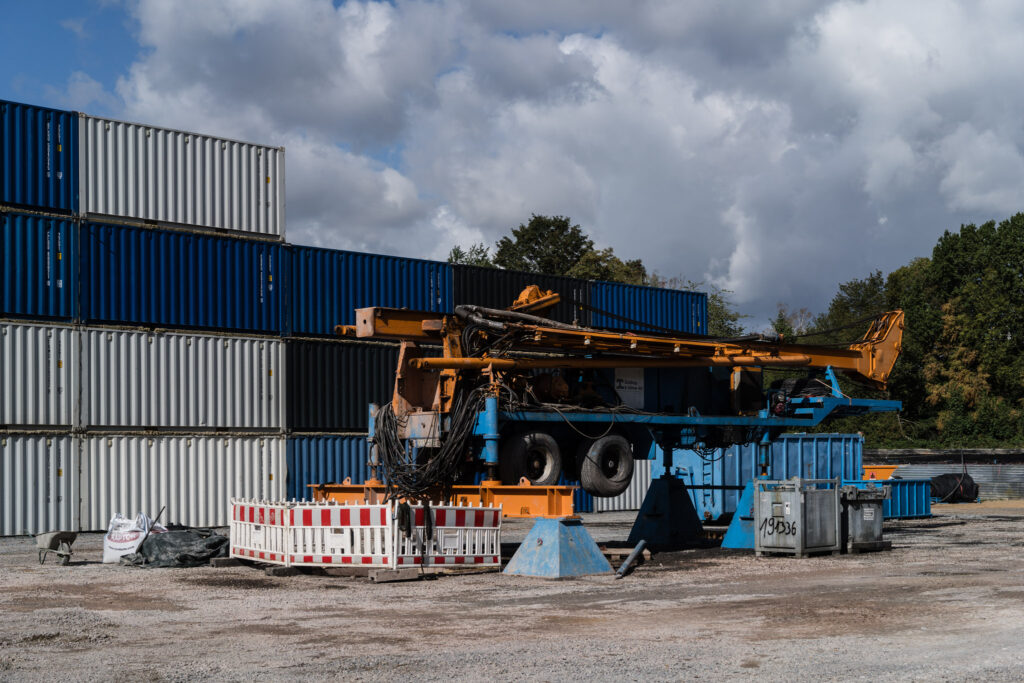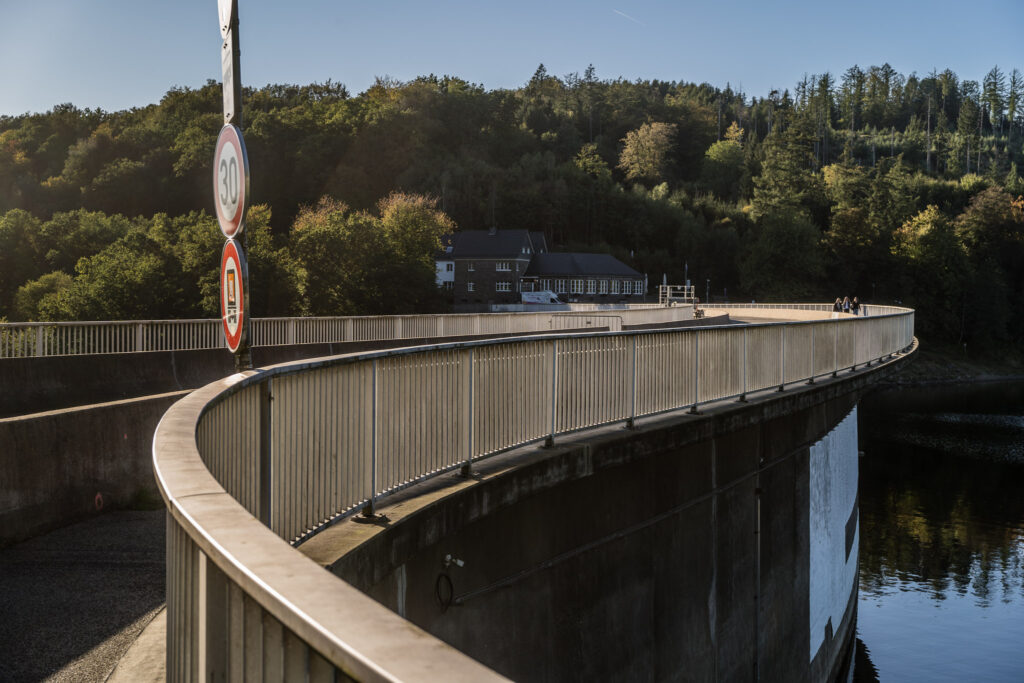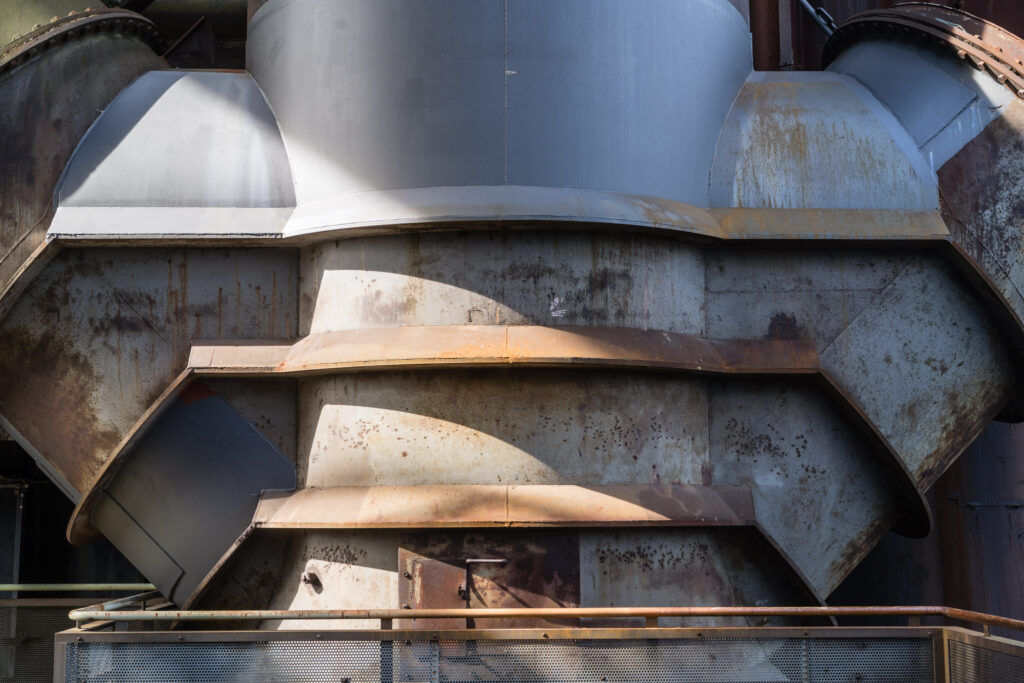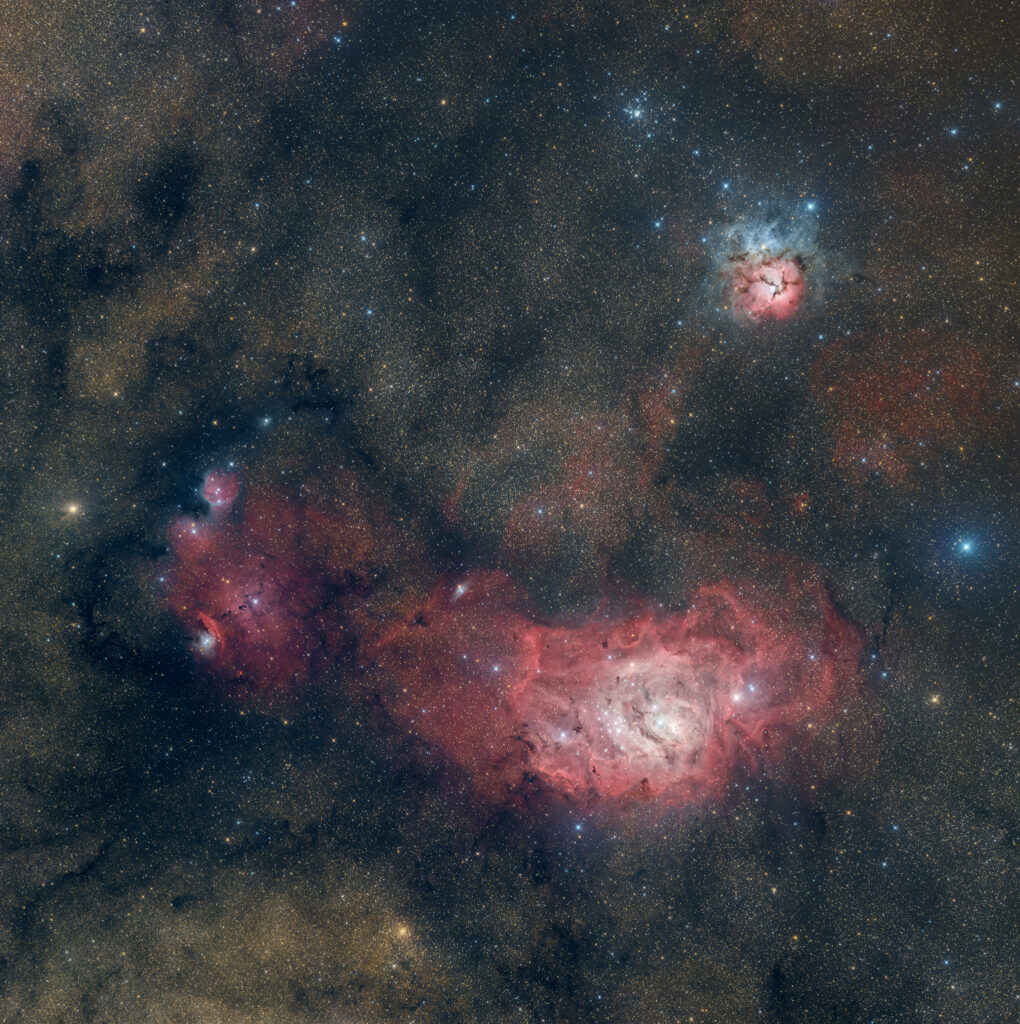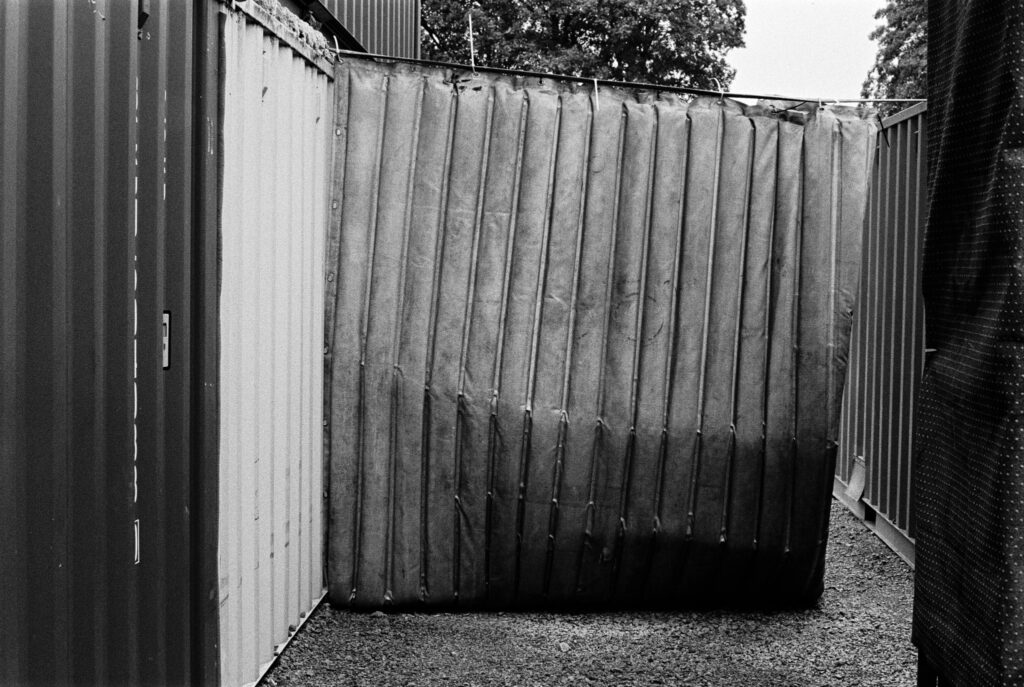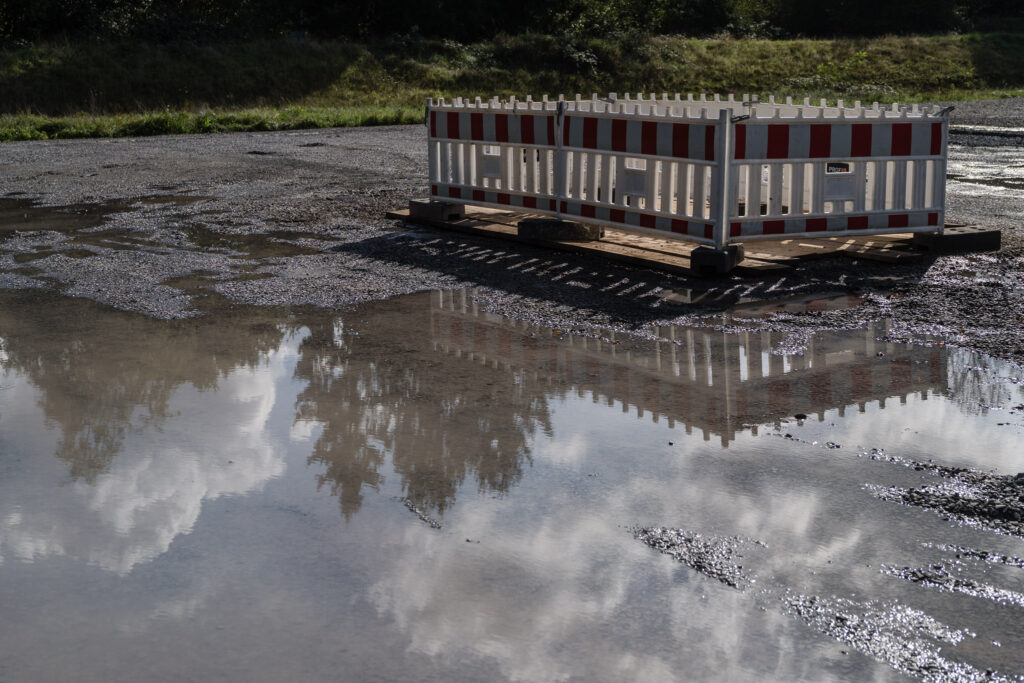
Im März war es dann soweit, die Vorbereitung des Bohrplatzes ging los. Die Ausweichfläche wurde ausgekoffert und mit einer Schotterschicht auf Vlies versehen. Die Markierung auf dem letzten Bild markiert die Position der eigentlichen Bohrung.
Hier auf der Website werde ich den Fortschritt fotografisch begleiten. Alle Fotografien sind mit freundlicher Genehmigung durch den Geologischen Dienst NRW entstanden. Vielen Dank an Ingo Schäfer und Dr. Stephan Becker.
After more than 6 years, another total solar eclipse brought us back to the US. Weather forecasts favoured Texas, so that’s where we went. But for the eclipse day on 08 Apr 2024, things turned out differently, so after the visit to Austin and Houston we took the long haul to Pocahontas, Missouri. This second part of the series shows the road trip from Texas to Missouri and back again, visiting West Texas after the eclipse.
Nach mehr als 6 Jahren hatte uns wieder eine Sonnenfinsternis in die USA verschlagen. Die Wettervorhersagen favorisierten Texas, das daher unser Reiseziel war. Für den Tag der Finsternis am 8. April 2026 entwickelte sich jedoch alles anders, bessere Aussichten je weiter man in den Nordosten kam, also hatten wir uns kurzentschlossen auf die lange Strecke nach Pocahontas, Missouri gewagt. Der zweite Teil der USA Serie zeigt den Road Trip von Texas nach Missouri und zurück nach der schwarzen Sonne in West Texas.
Continuing with the CGs, this one took really loooong, from mid January to mid February. Alas, CG season is also rain season in Namibia. Good for the country, but not so much for astrophotography.
CG 15 and CG 16 – Cometary Globules in Puppis/Carina – LHaRGB v1
Another CG image, completed just after Christmas Day, showing CG 15 (lower right) in Puppis and CG 16 (upper left) in Carina. Two more for the growing catalog of CGs here.
Difficult processing with these data: separating stars and galaxy with StarXTerminator doesn’t work well here, too many artefacts. So all the stretching was done with the starfull images, with just a bit of star reduction on L, to preserve the many little, mostly blue stars in the arms of NGC 300.